Permits and people
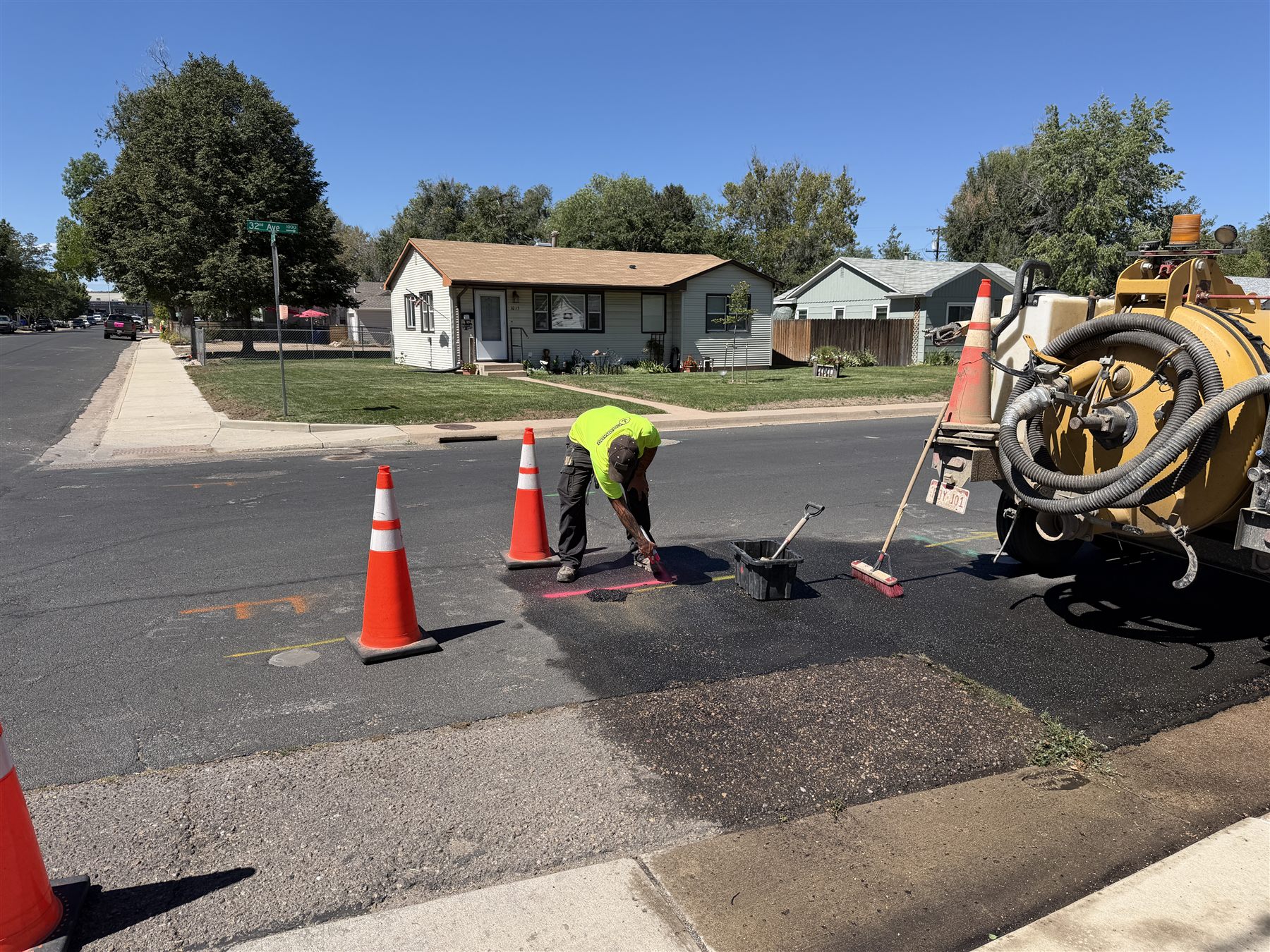
We coordinate access, permits, and traffic control with the customer, property owner, and municipality so the work gets done the right way.

Estimate turnaround is typically 24 hours.
Potholing with hydro-excavation
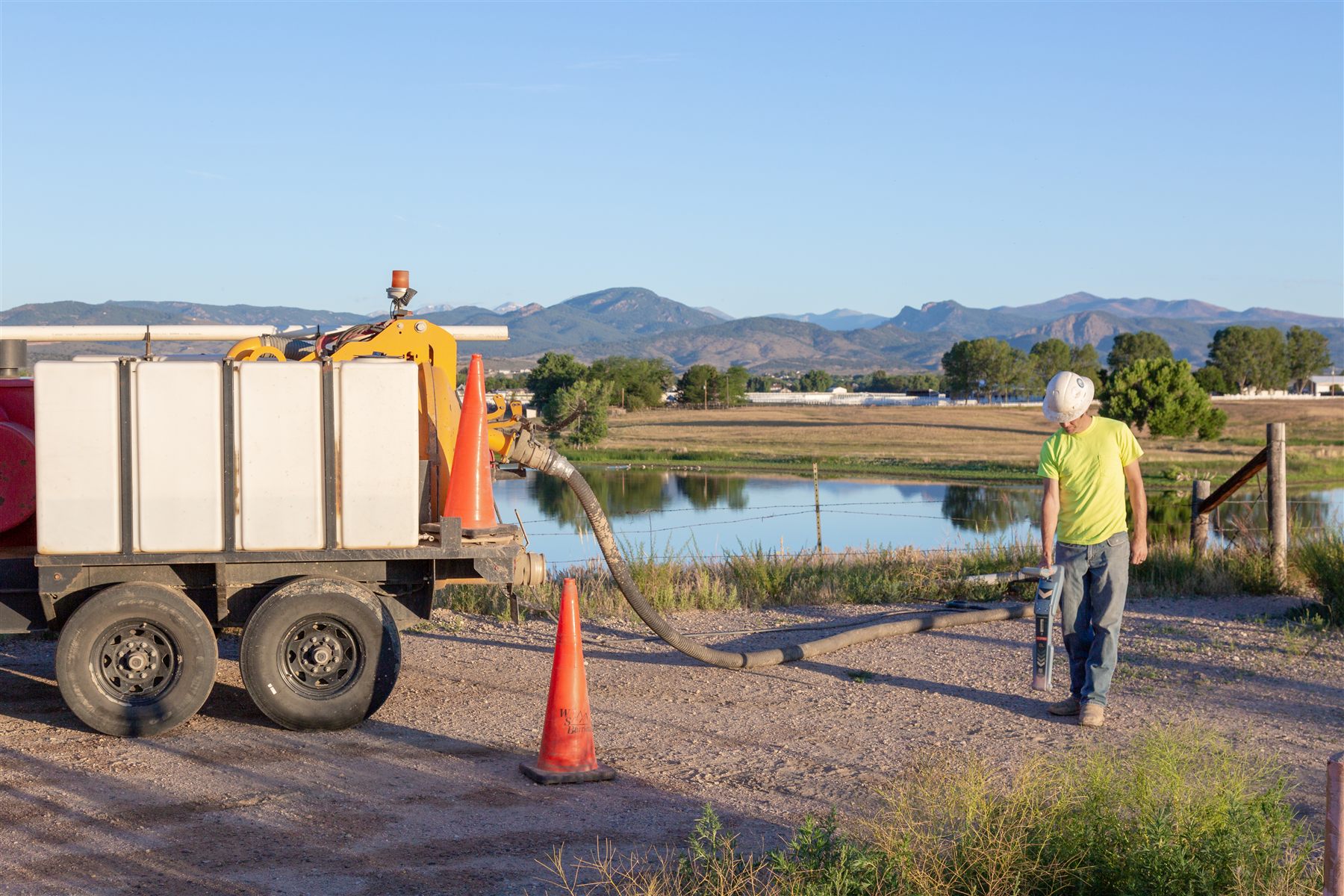
Water cuts through the soil. Vacuum pulls it into the tank. Utility lines remain undamaged. You can see size, depth, and material of buried utilities. Potholing, or daylighting, is the field portion of Quality Level A sub-surface utility engineering (SUE) work.
We have extensive experience providing plan-and-profile support for design, engineering, and survey firms. We also work with general contractors when utilities need to be found during the construction process. The non-destructive nature of our equipment is also useful for precision excavating in sensitive or hard to reach areas.
We coordinate access, permits, and traffic control with the customer, property owner, and municipality so the work gets done the right way.
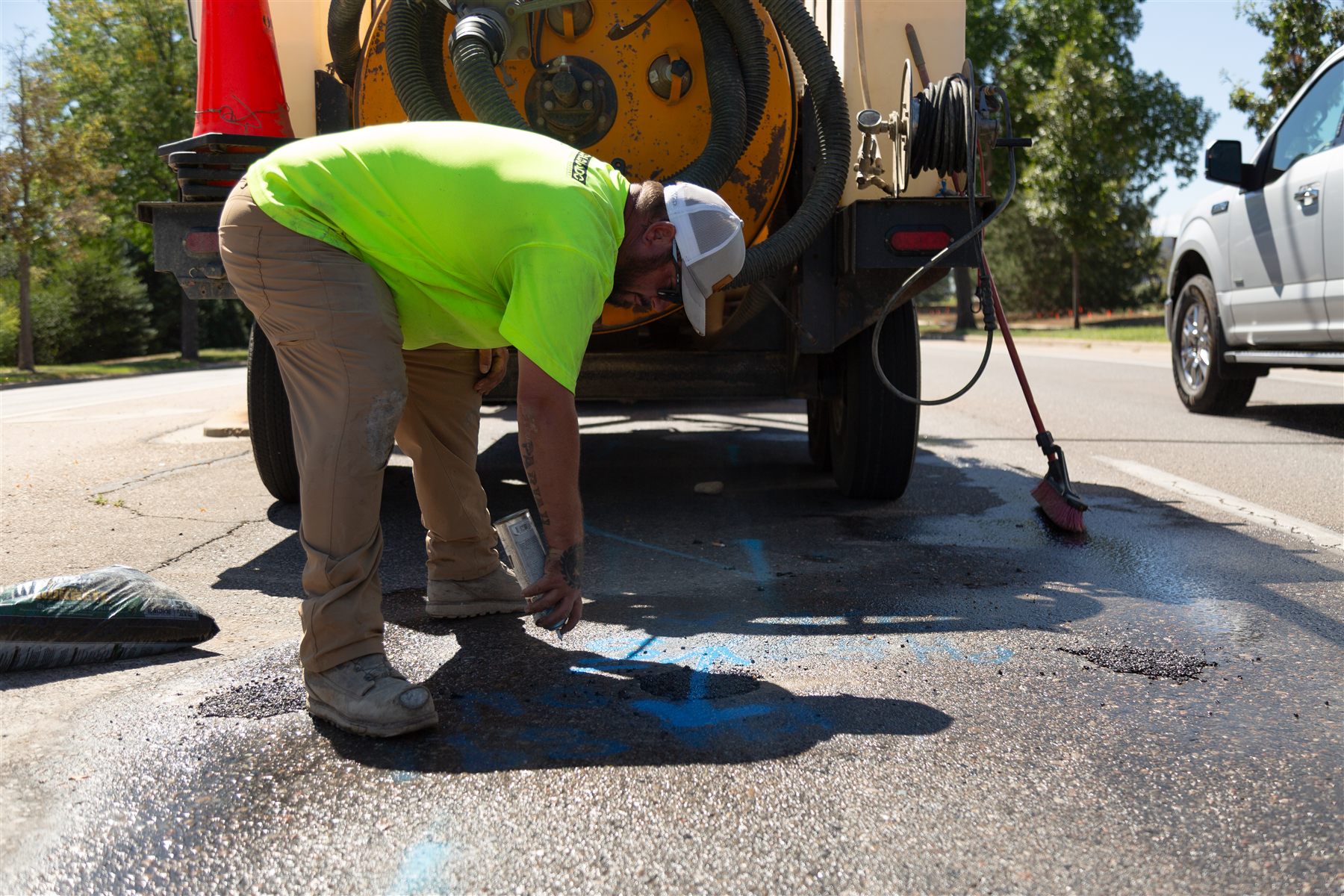
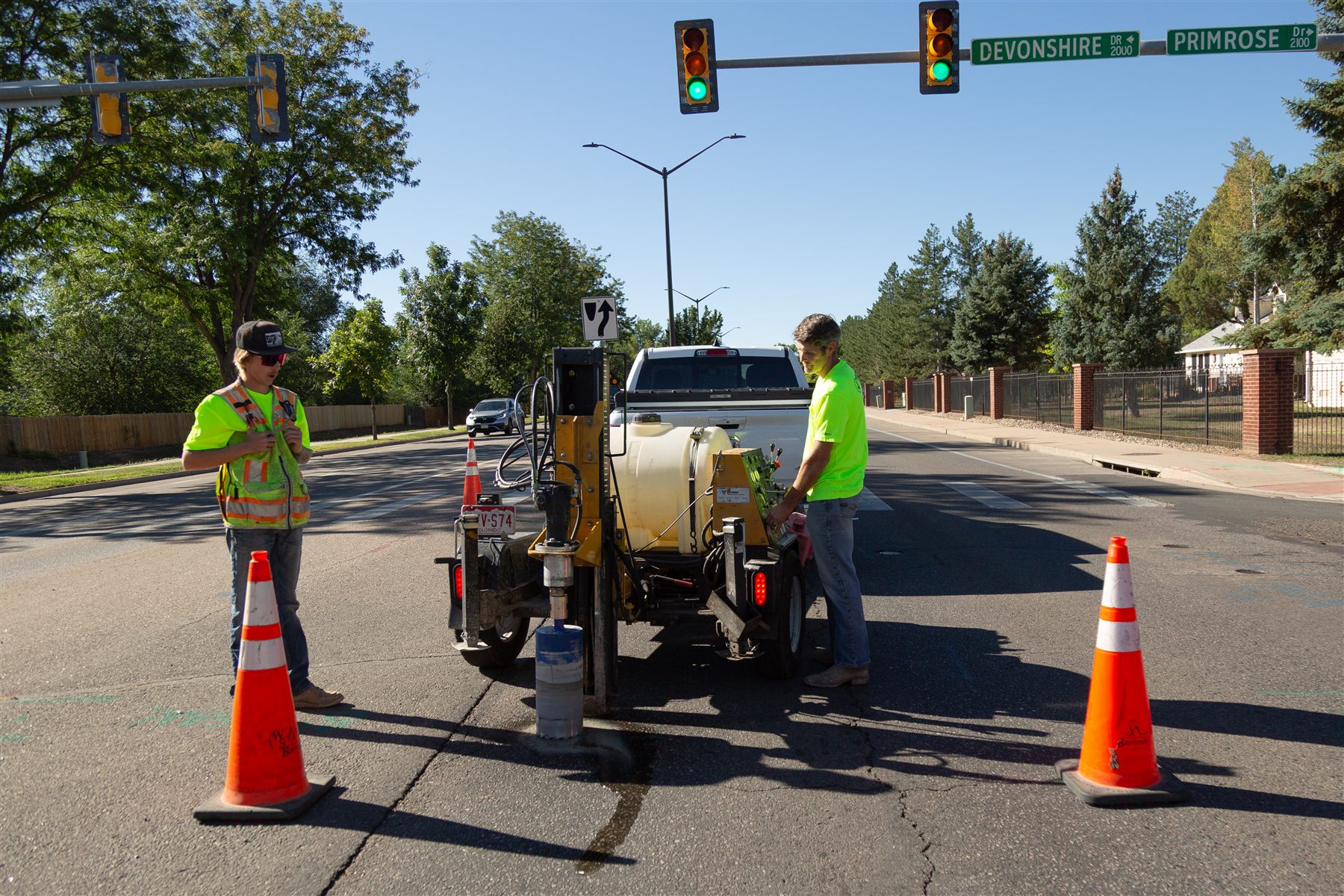
Core first when there is pavement. Then expose the line, document what we find, backfill, clean and restore, and mark the find.
We electronically locate to improve our potholing, not as a paid separate service. It is how we find what we are going to pothole and troubleshoot when issues come up.
When we need to go deeper or the trench is heavier than our towed gear can handle, we can bring additional equipment to finish the job.
From 811 through marking — how a CUF pothole typically runs.
We run the 811 process. Utility owners locate their utilities so the area is marked before we dig.
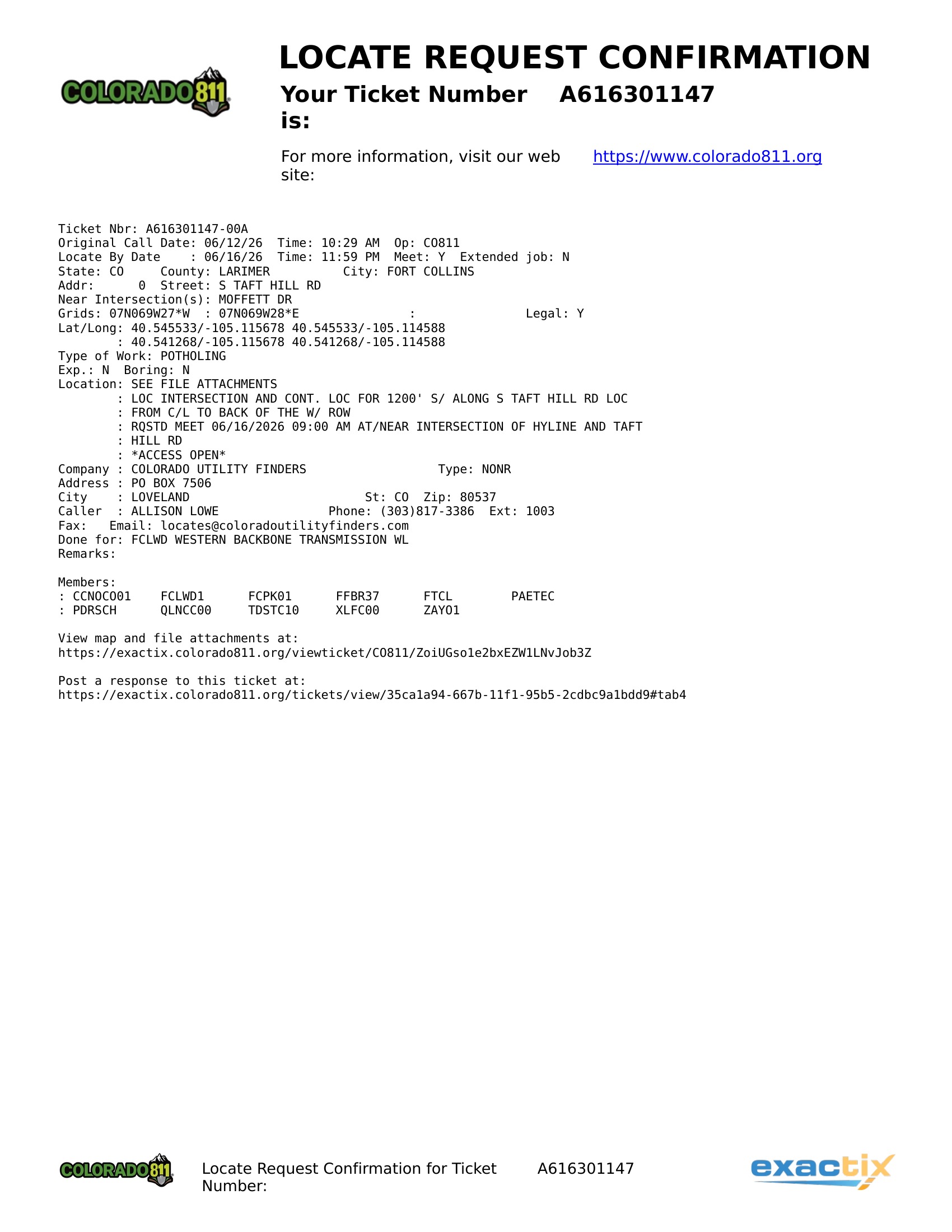
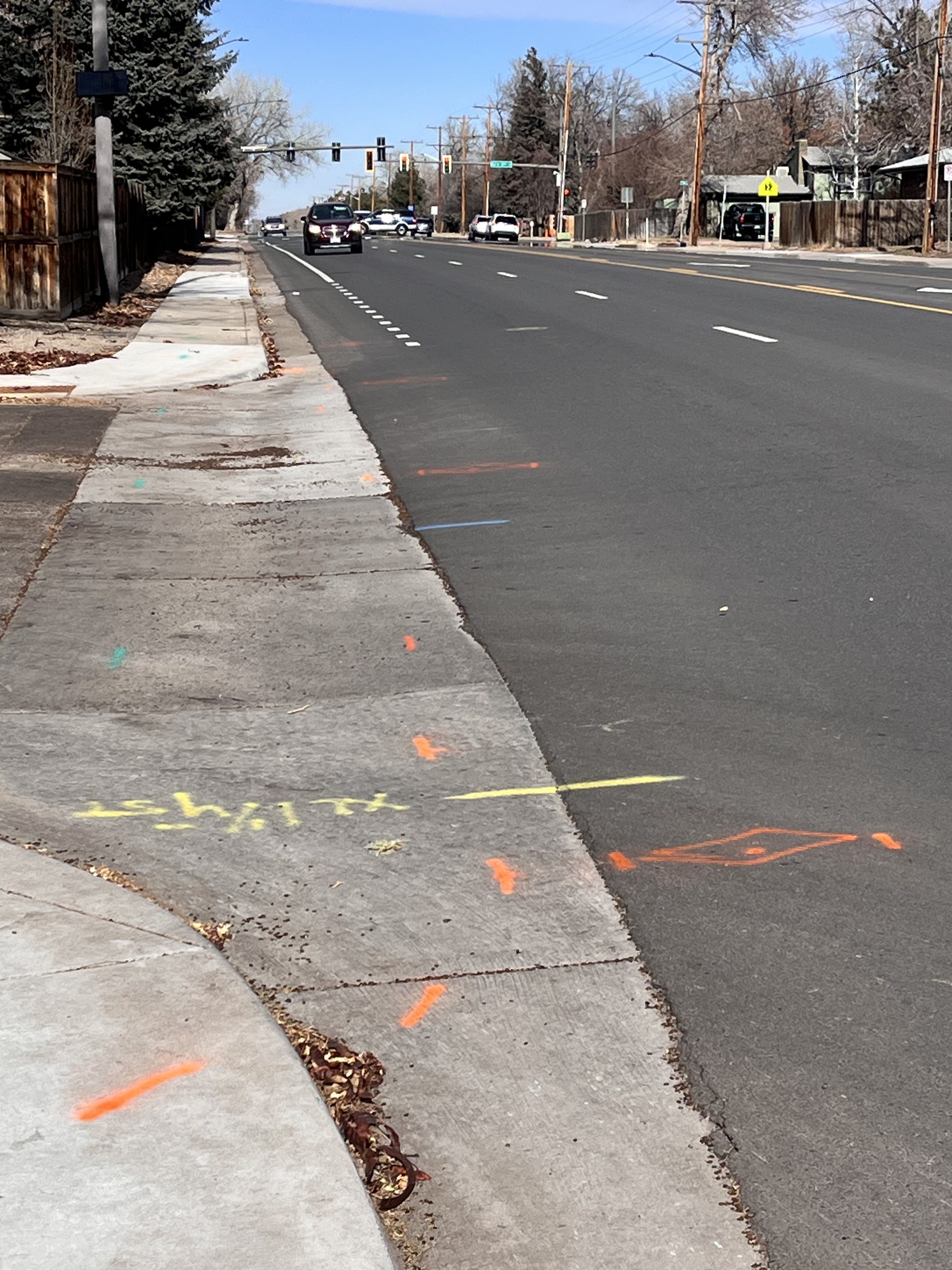
We use surface indicators, utility locates, and electronic locating to confirm 811 locates and narrow the target.
When there is pavement, we core first so the surface opens clean and the hydrovac can go to work.
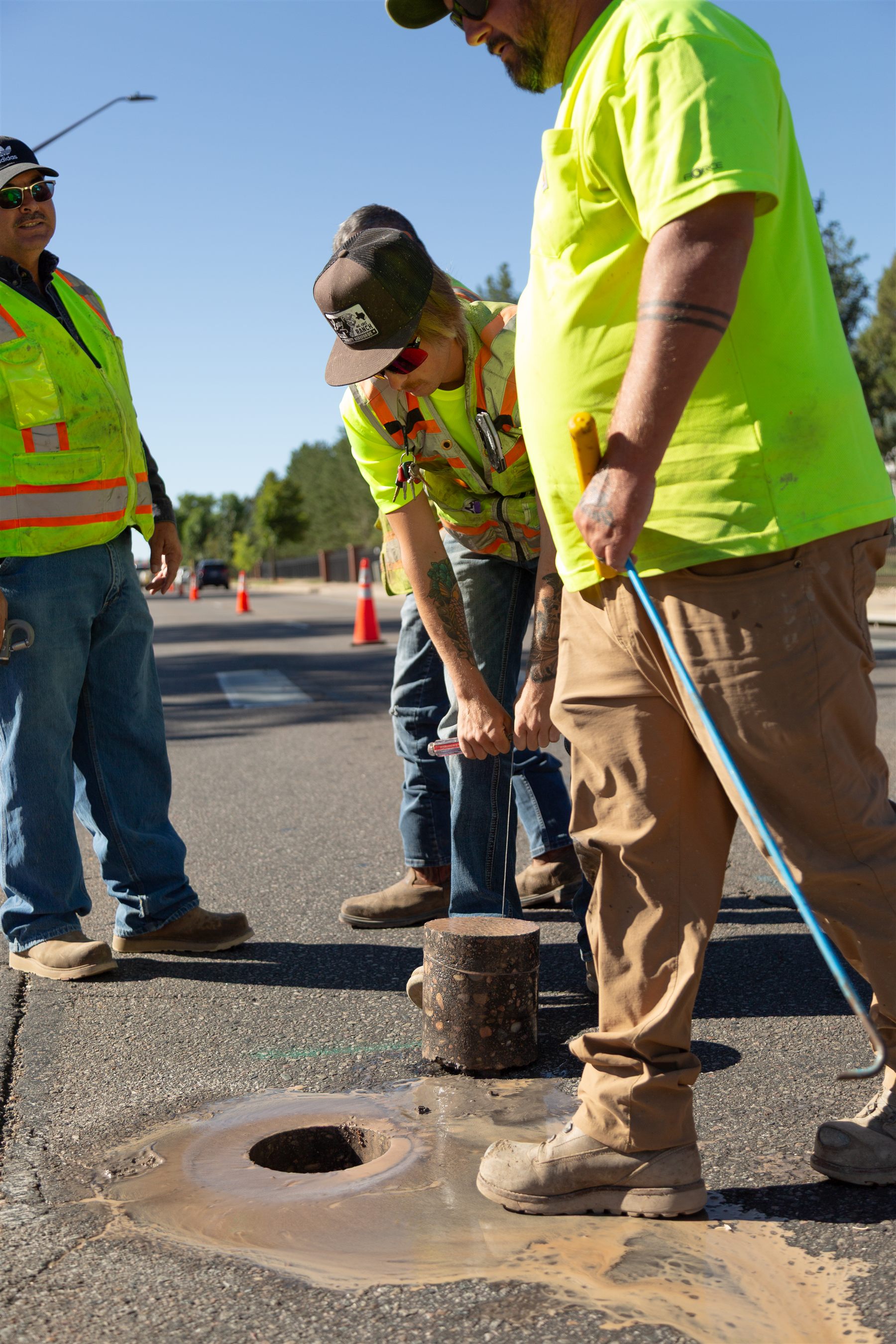
Pressurized water and vacuum expose the utility without damaging it. That is daylighting — you can see the line.
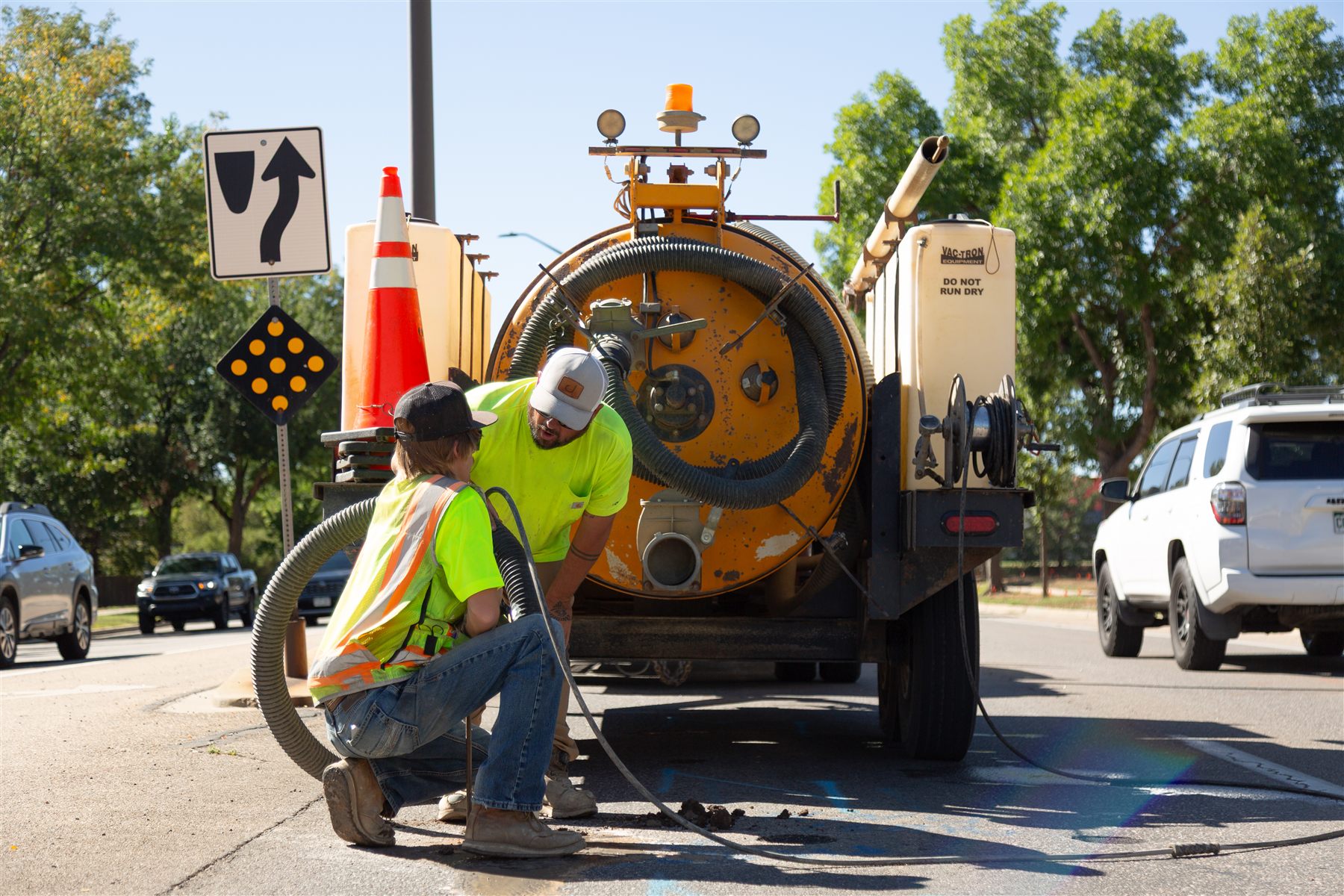
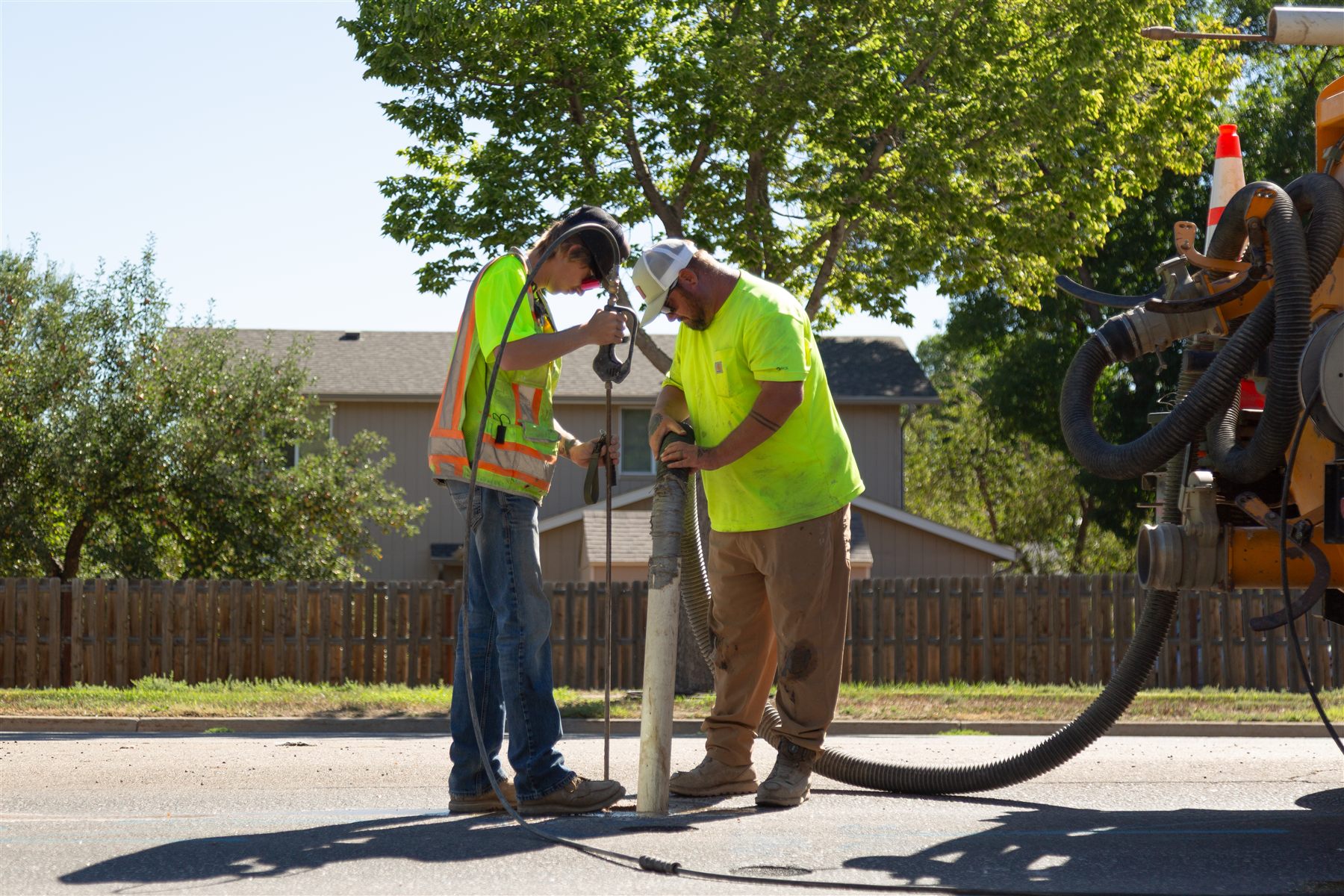
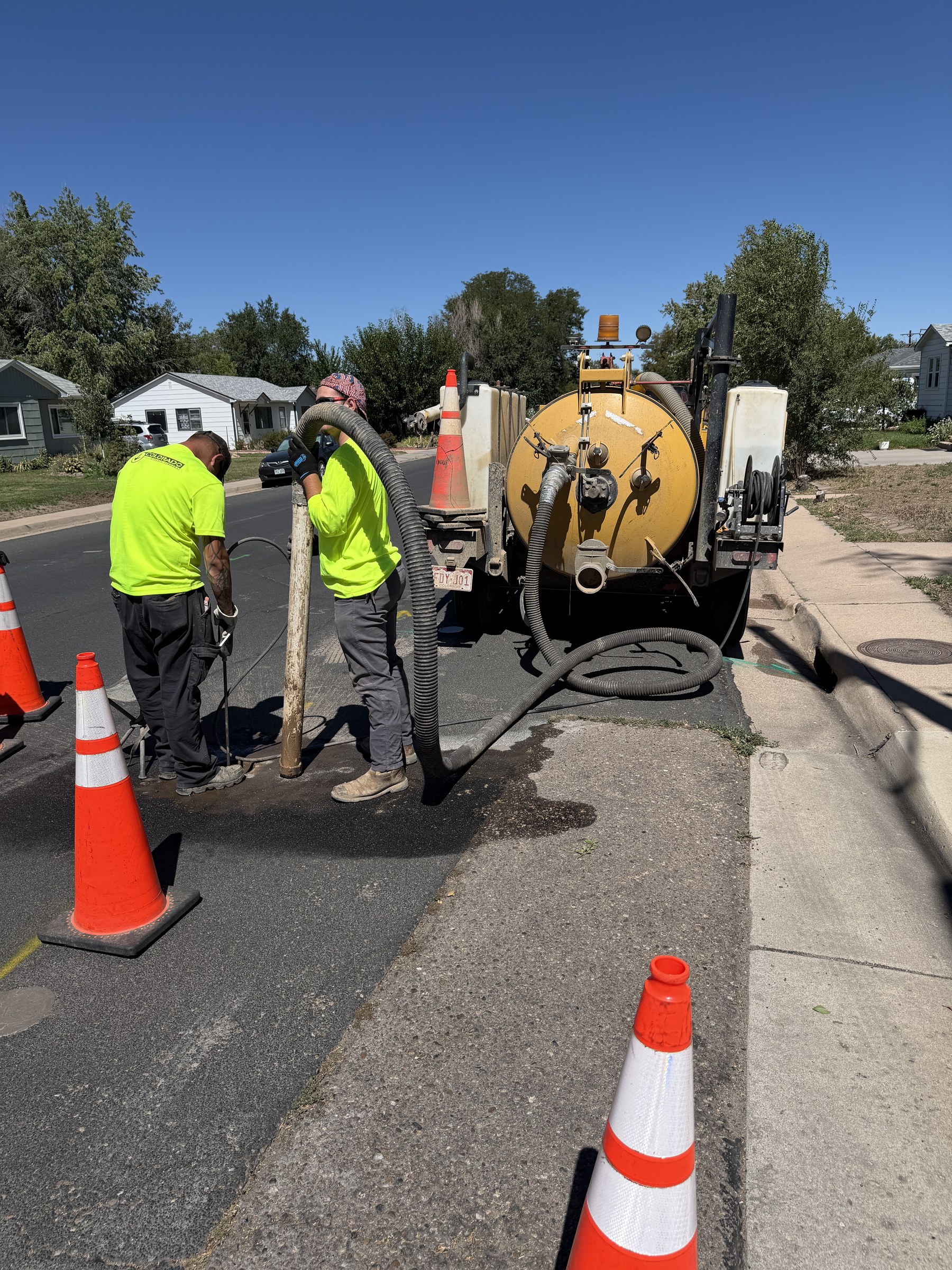
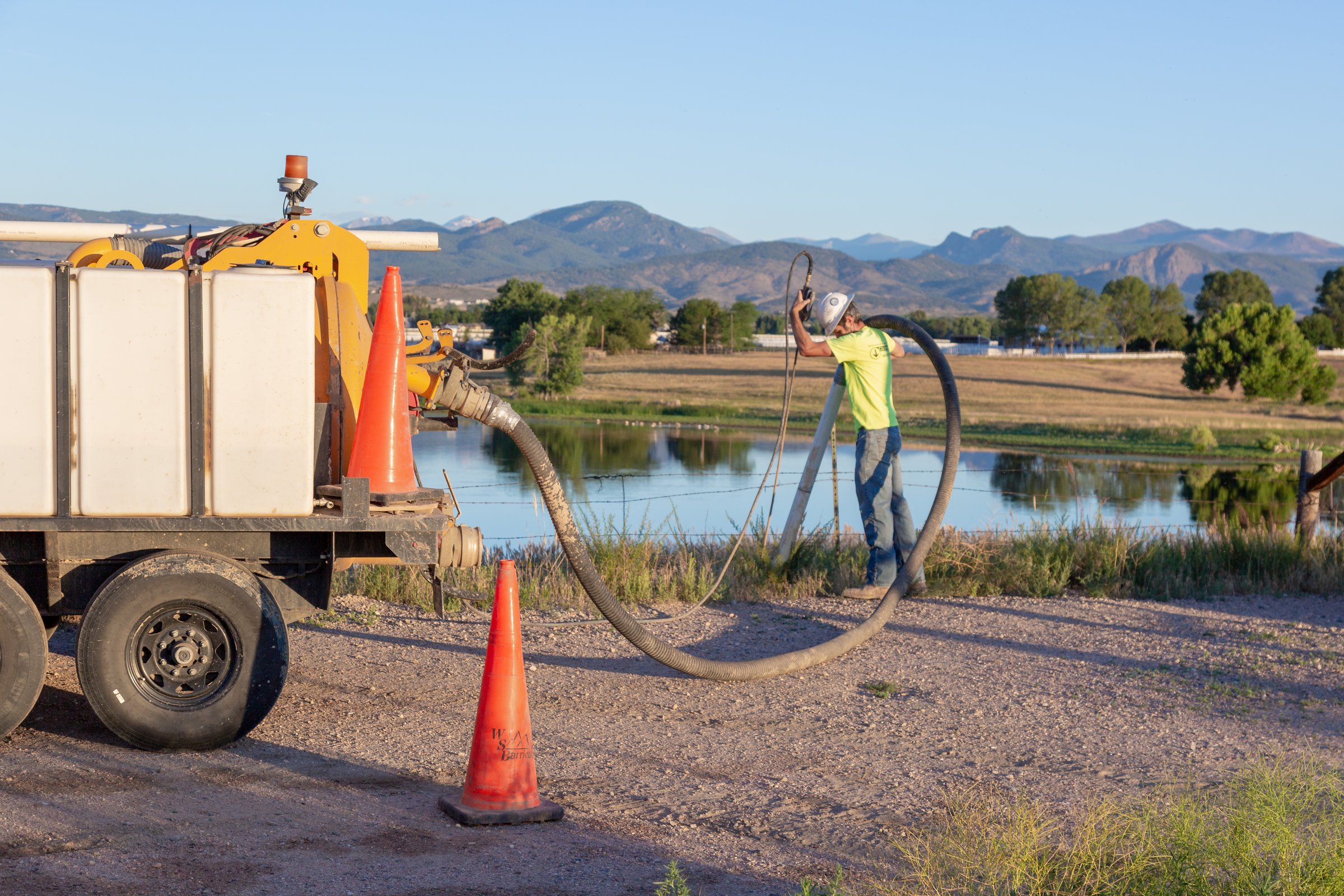
When the line is not where marks say, we keep hunting — electronic locate and field judgment to improve chances of finding it.
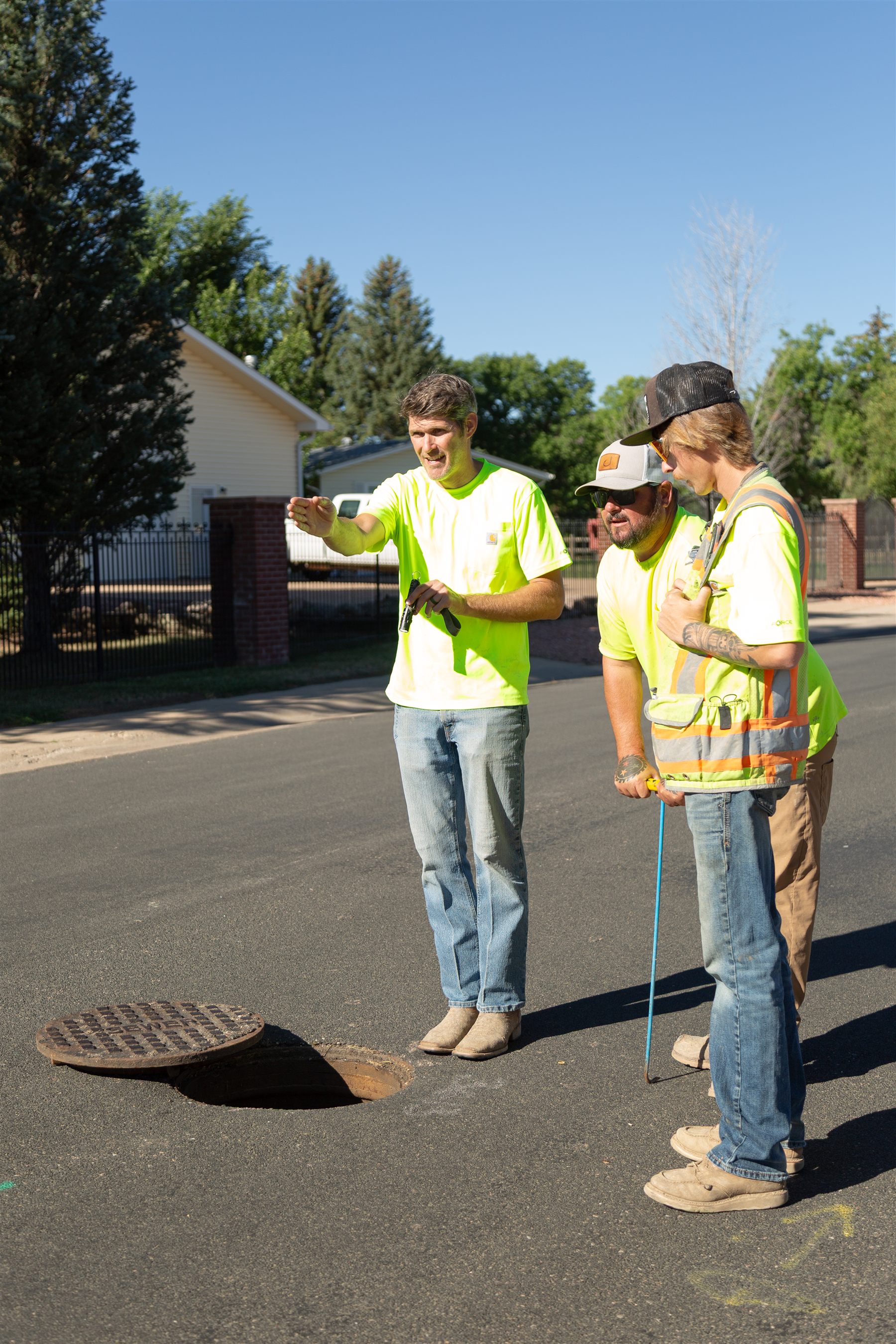
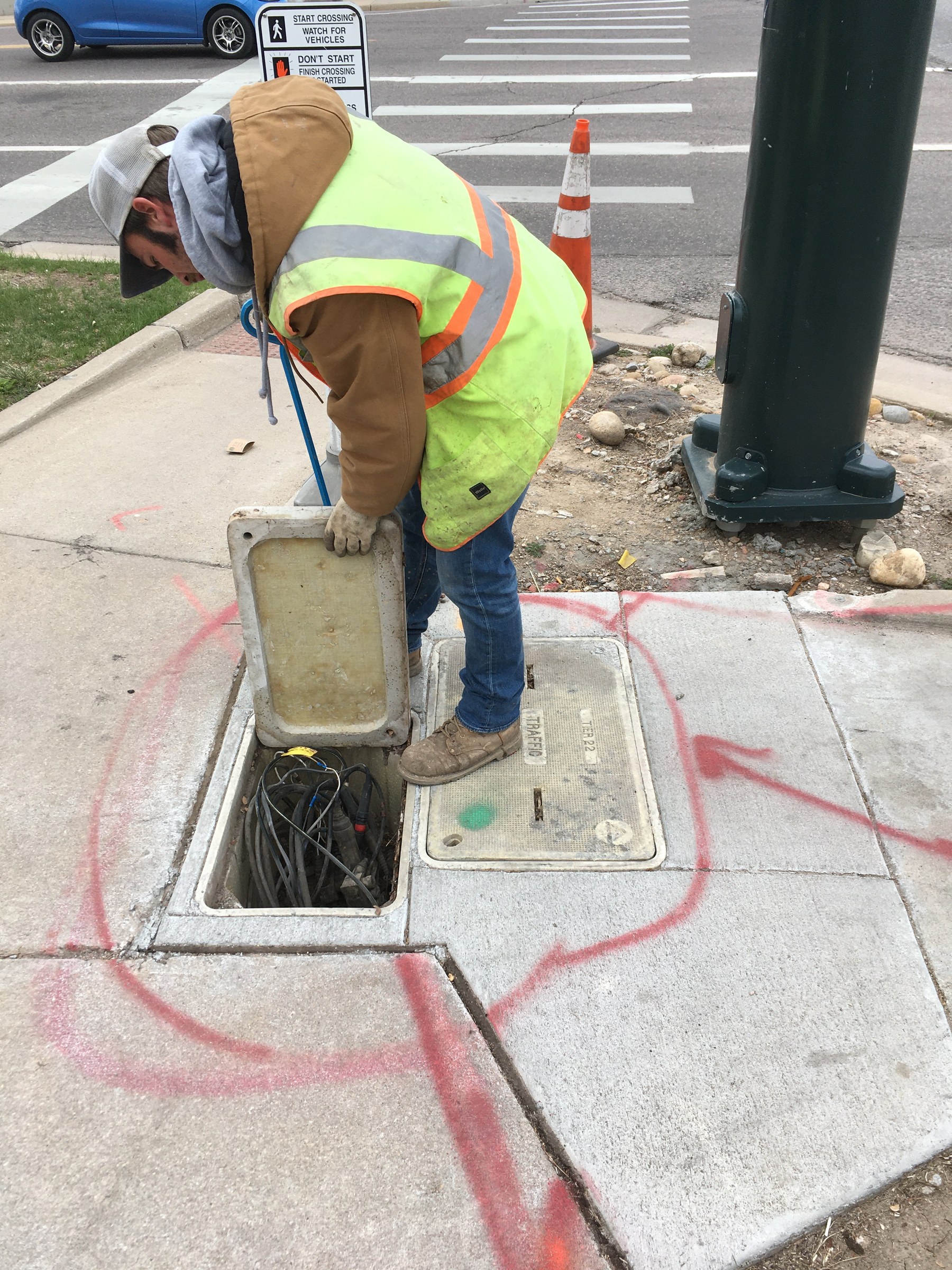
We record what we found in the hole — depth, size and material— so the field data is captured while the utility is still visible.
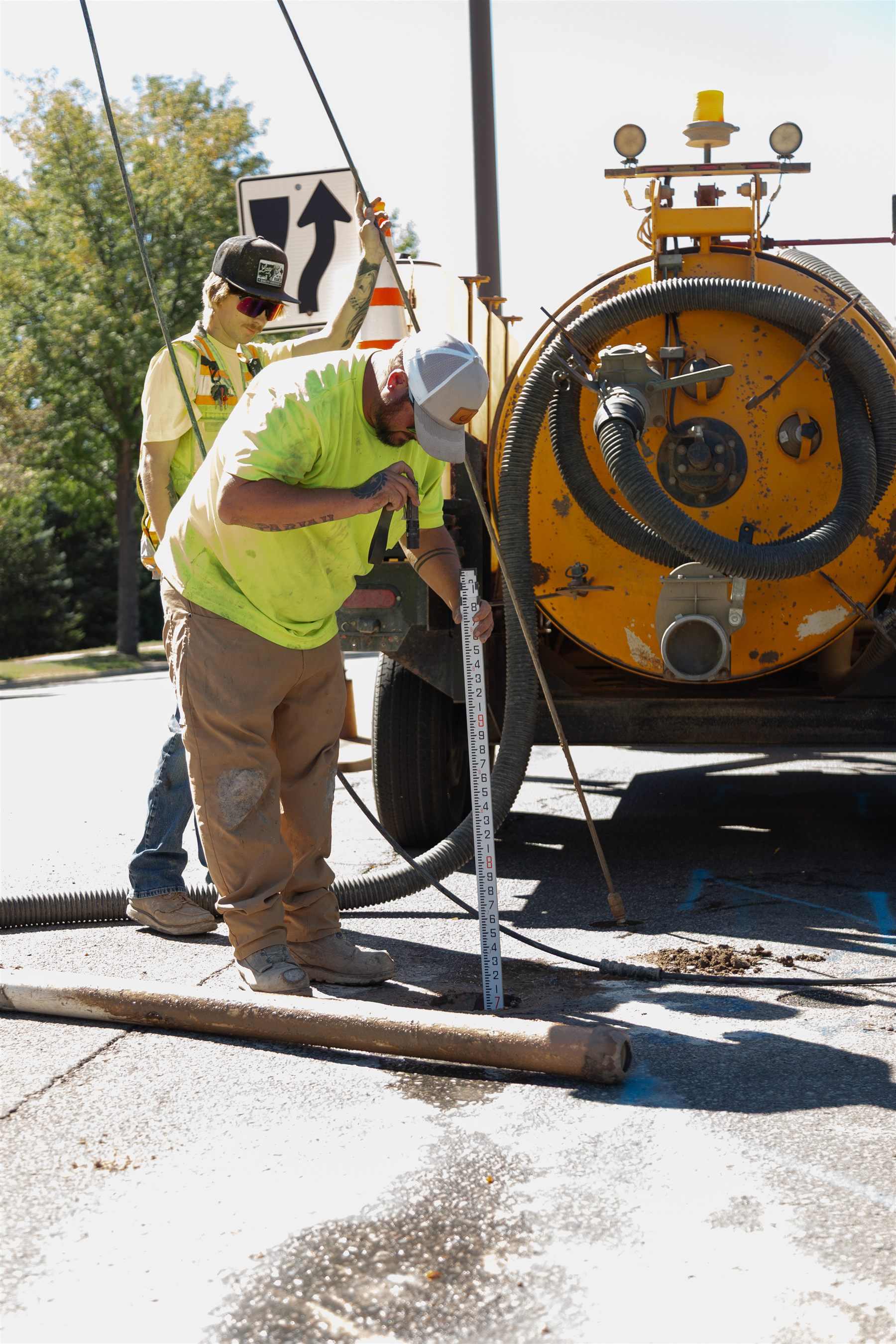
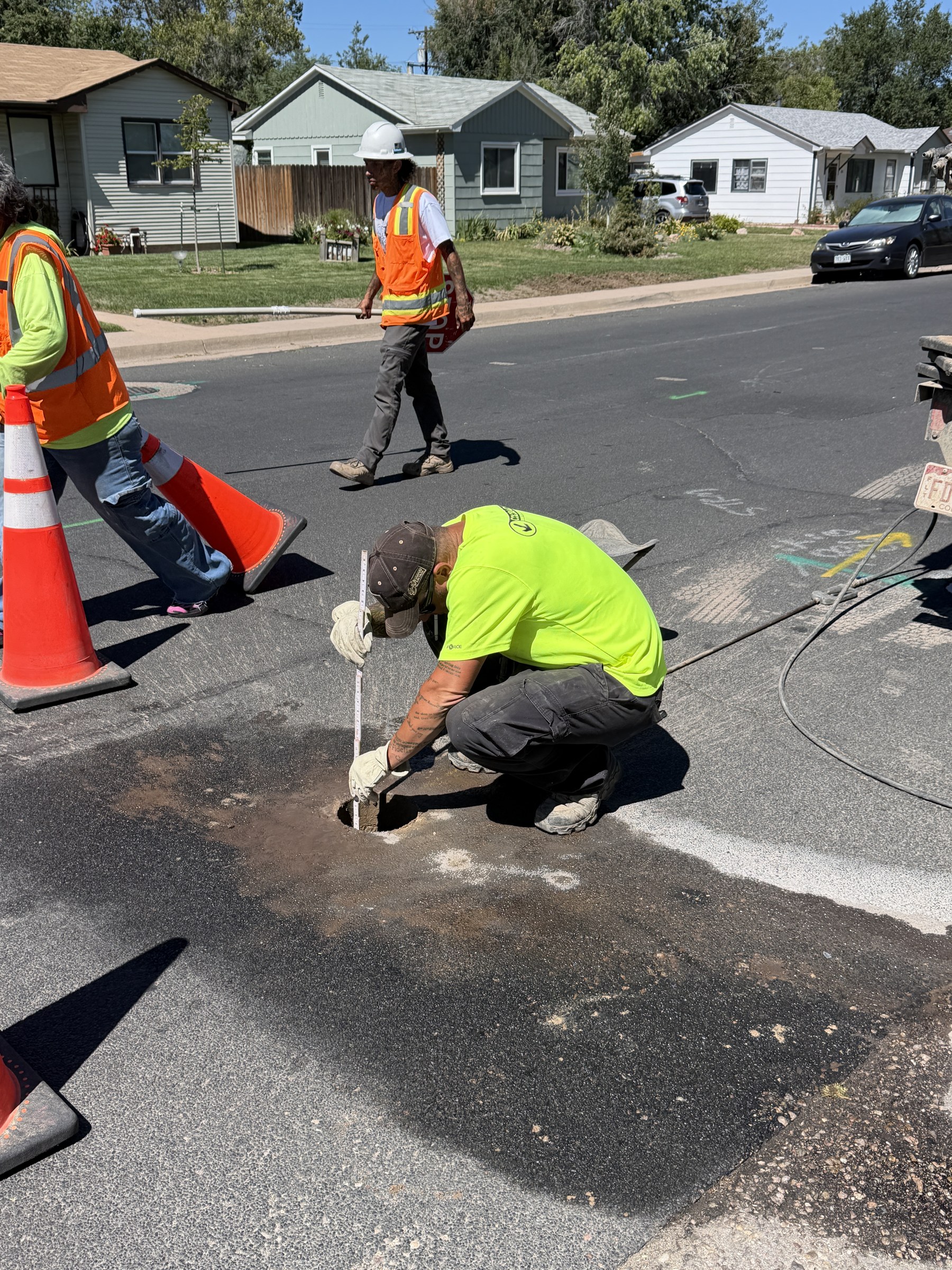
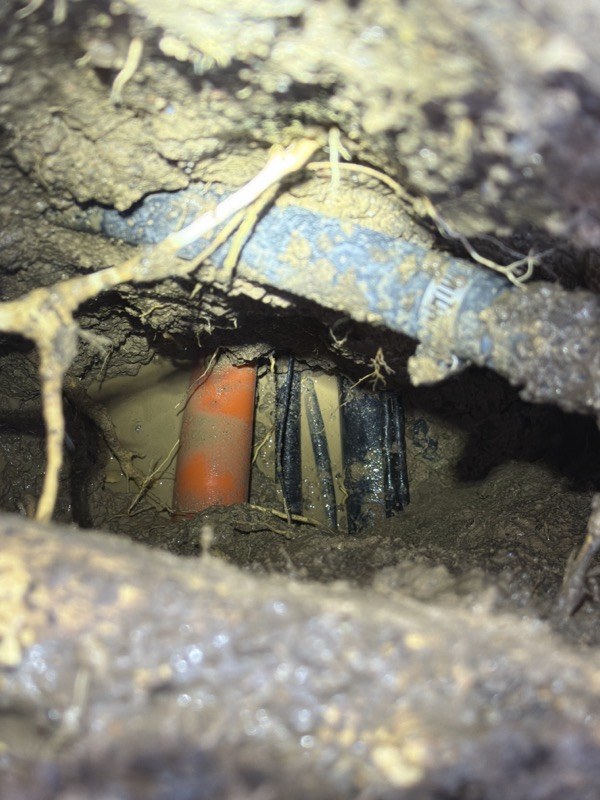
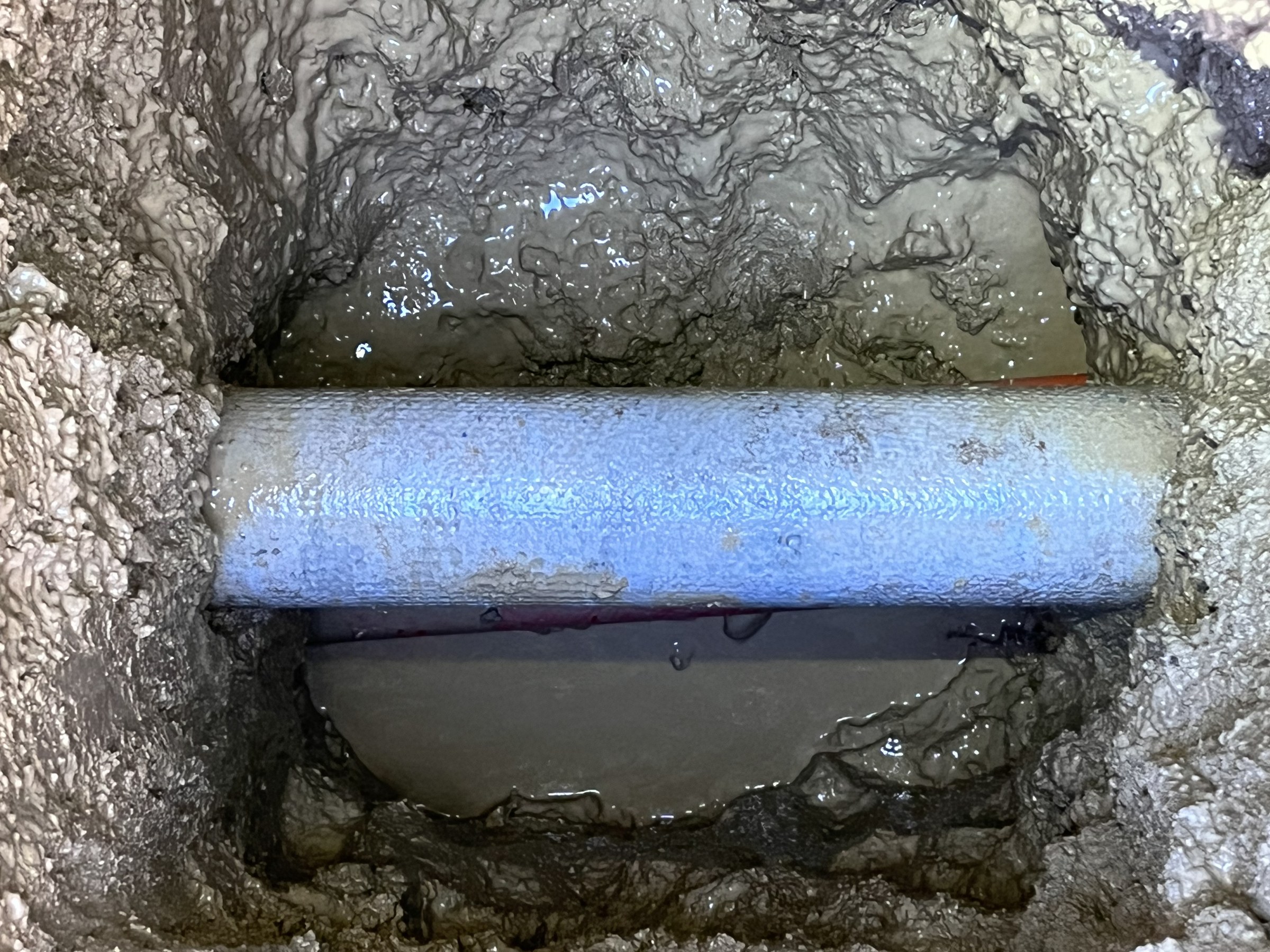
Once the hole is documented, we backfill so the site is safe and ready for cleaning and restoration.
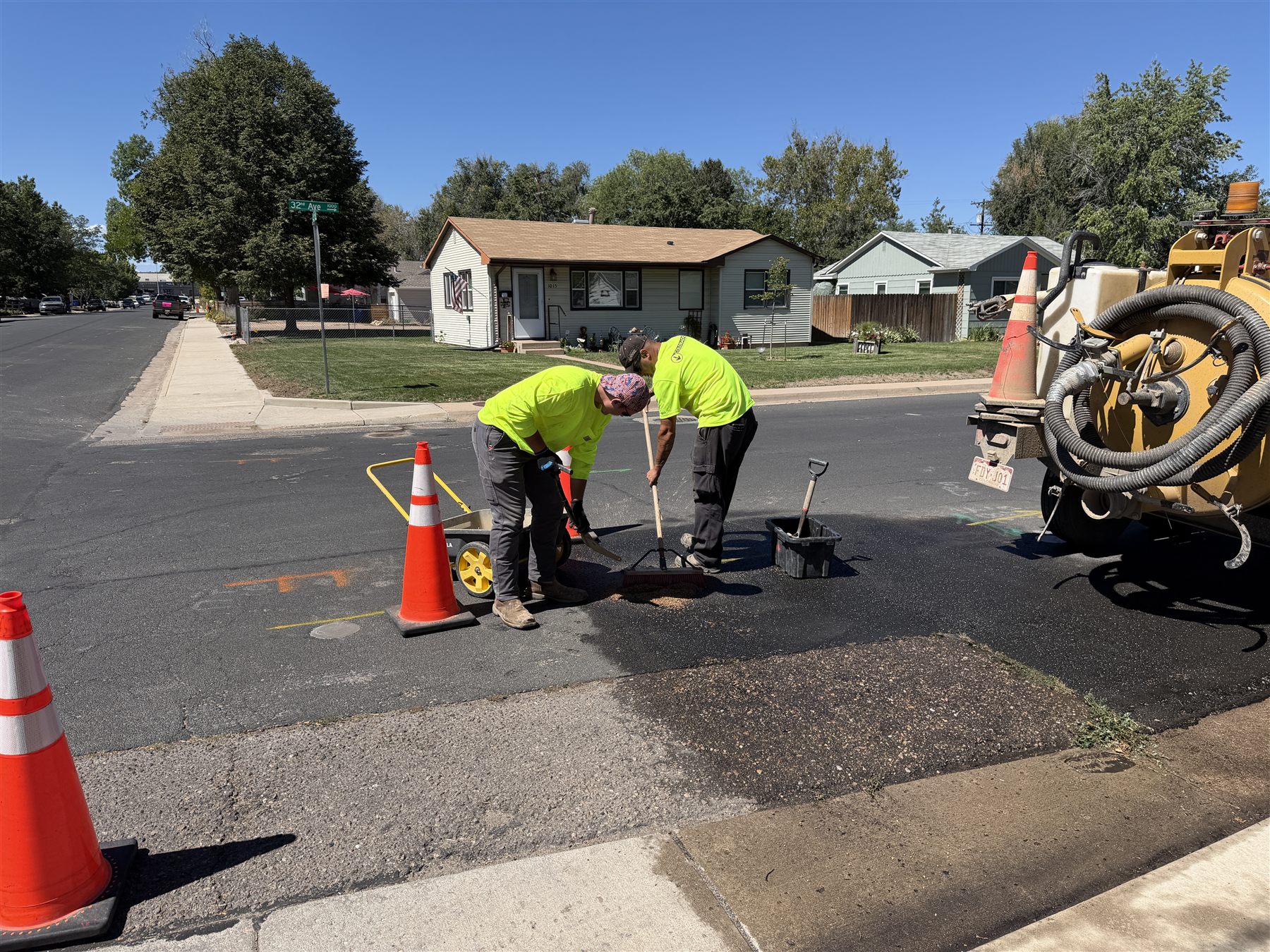
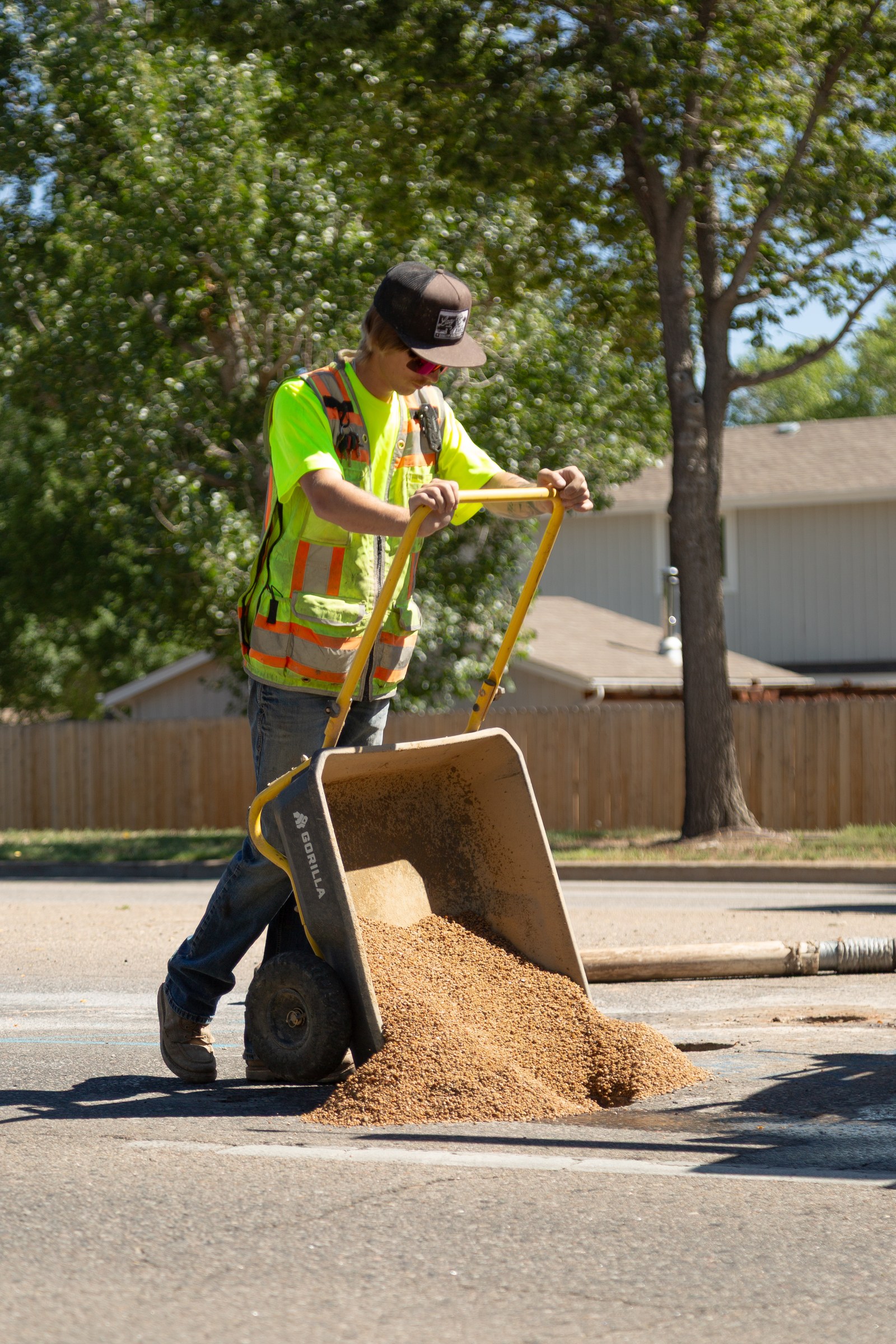
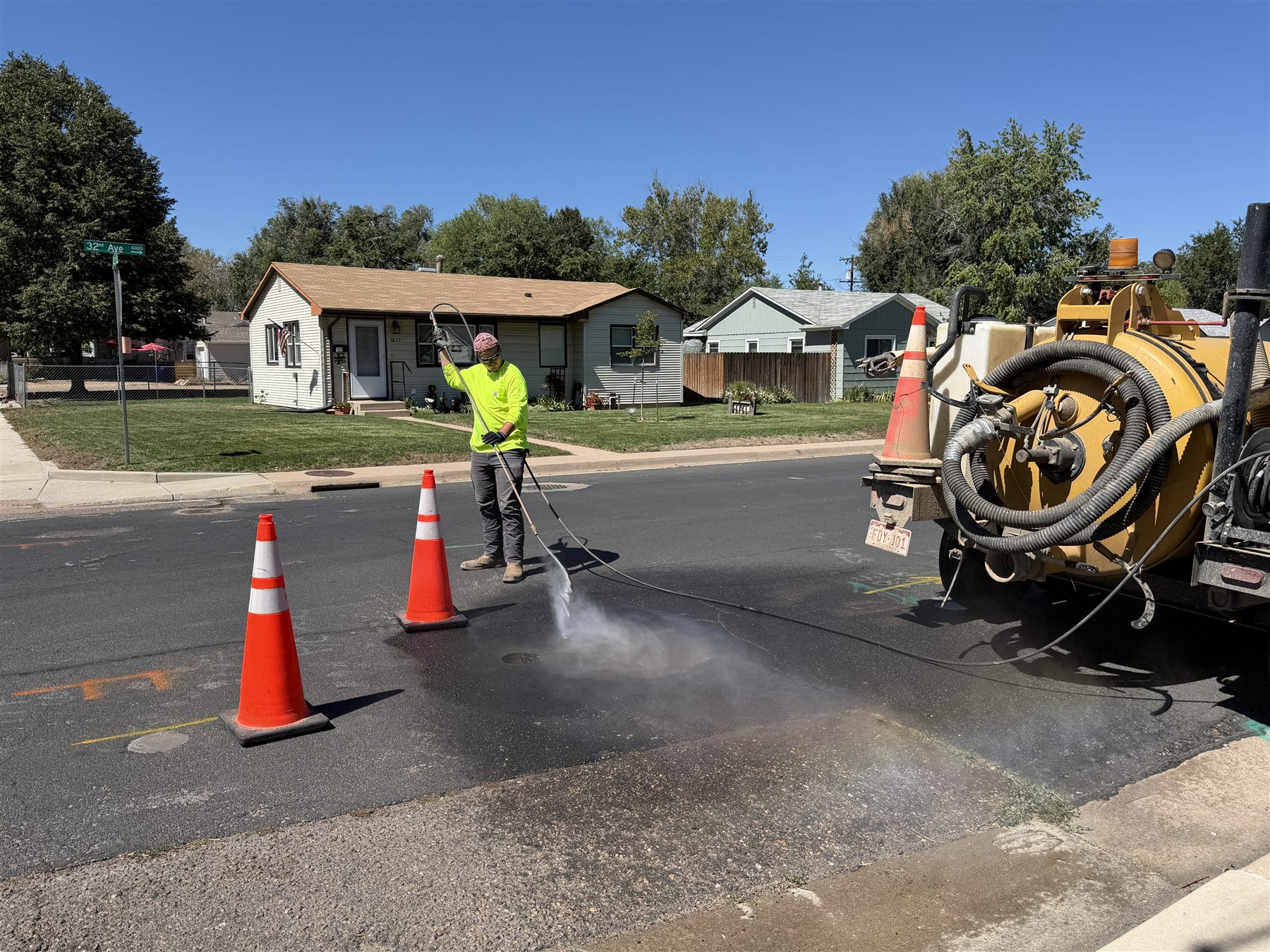
We clean up the work area and restore the surface so the site is fully functional afterwards and does not leave a mess for the public.
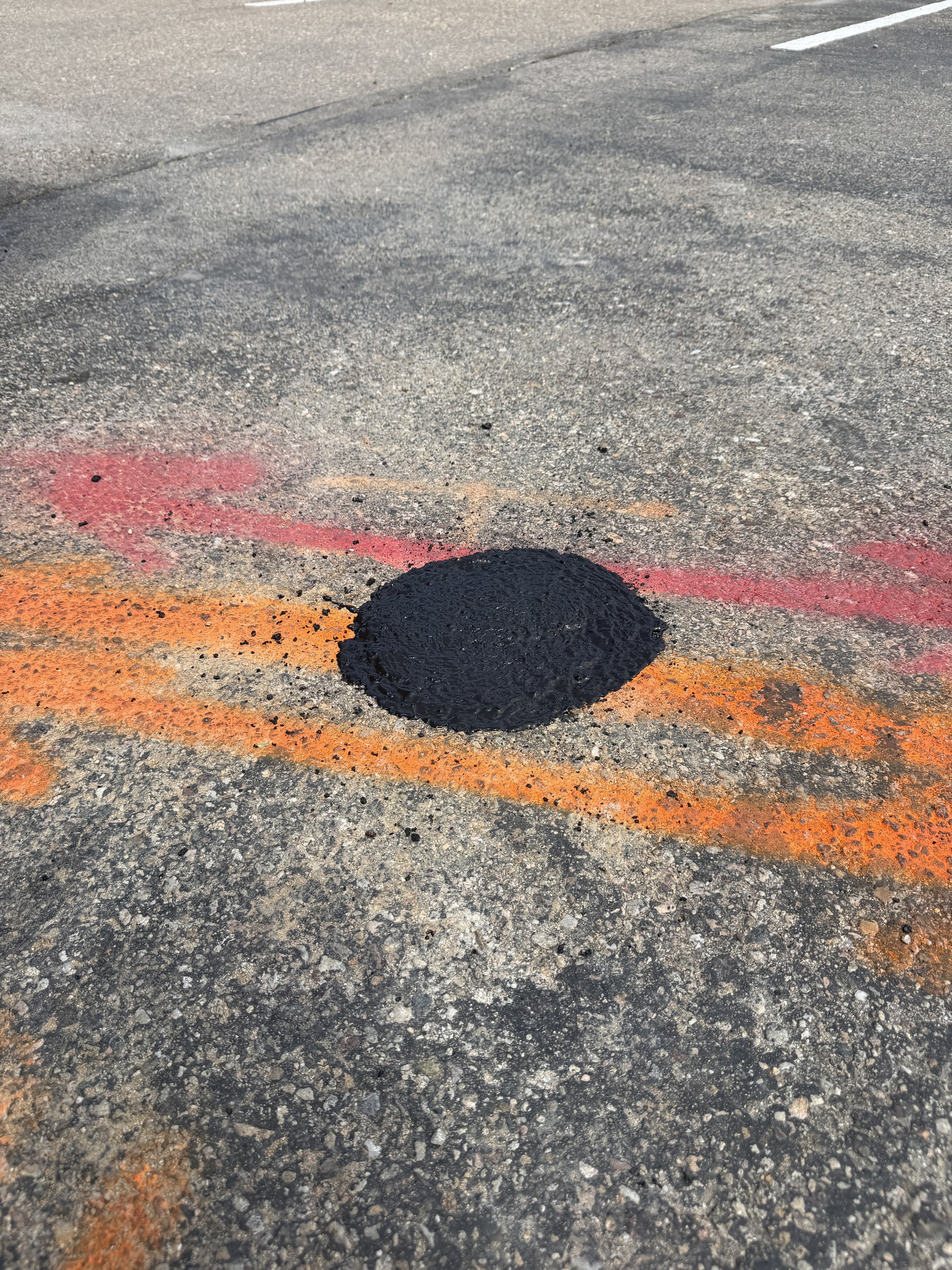
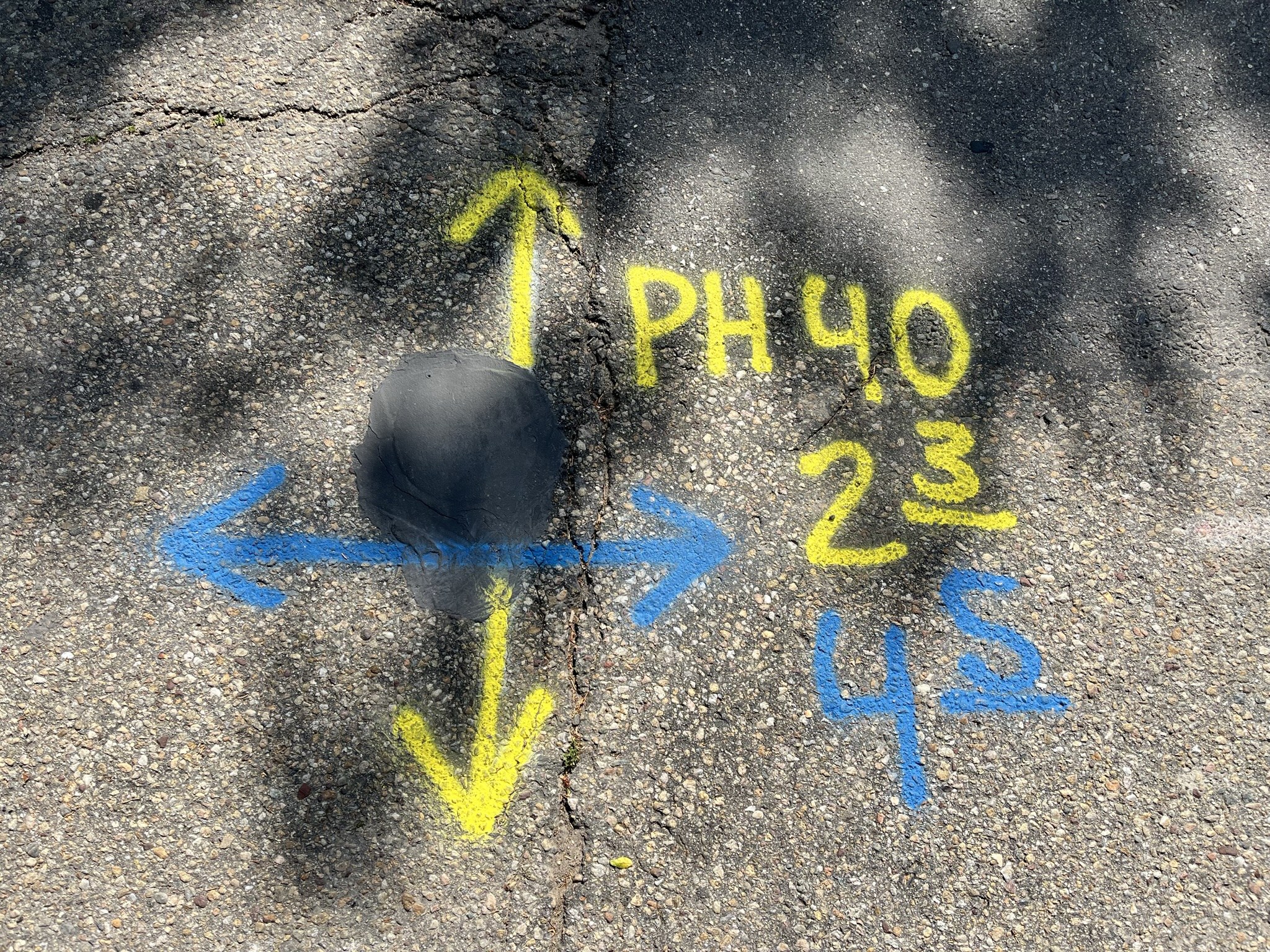
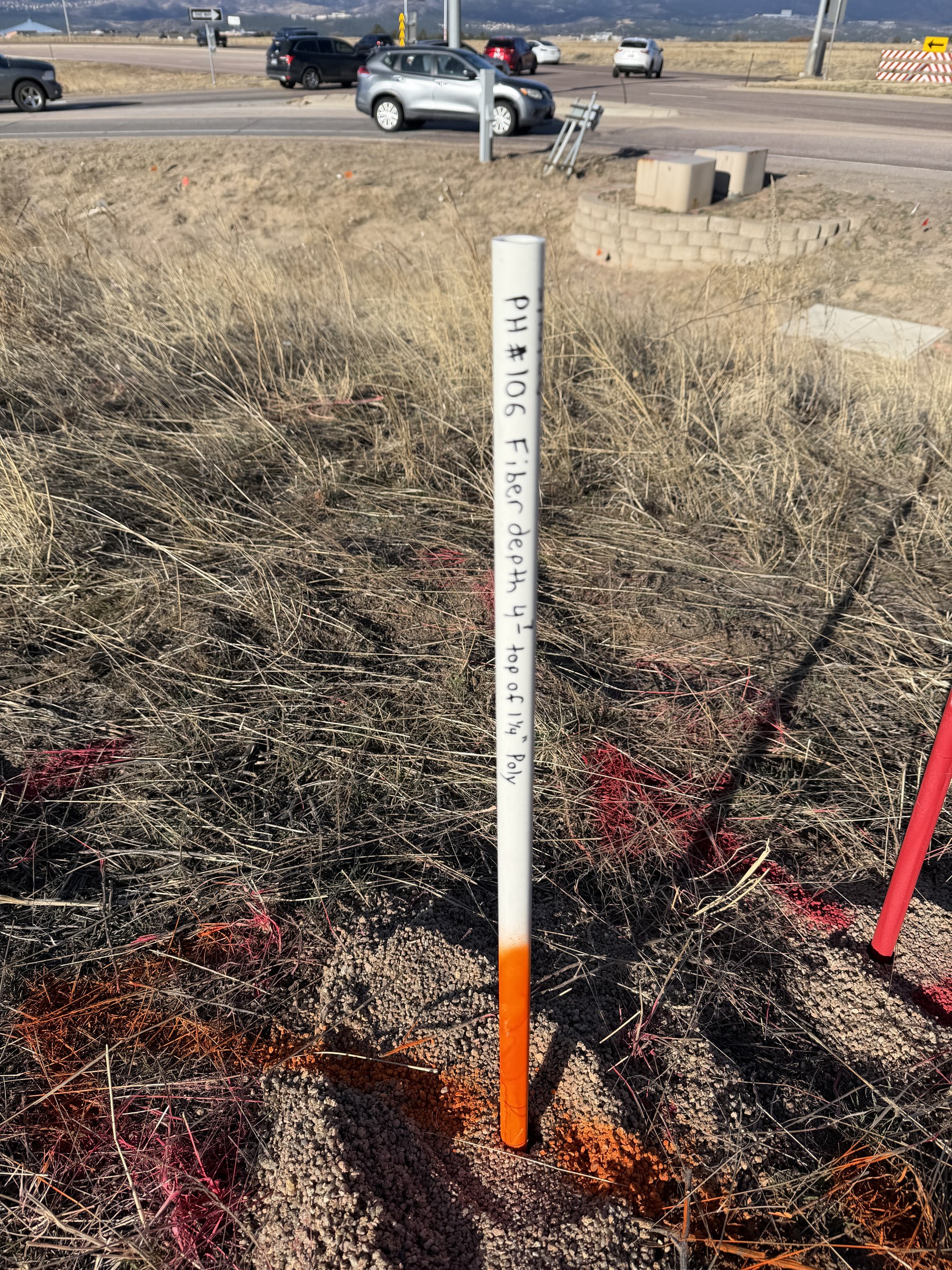
We mark what was found so survey or excavators can identify the utility — paint on hard surfaces, and labeled PVC sticks with notes in soft surface.